June 9, 2026
The early stages of a child's life are a time of rapid growth, discovery, and learning. During this critical window, young minds are like sponges, absorbing everything from the sights and sounds in their environment to the way people interact with each other. For many parents, deciding how to support this vital stage of development is a major decision. While staying at home is a common path, introducing a structured environment outside the home can offer immense benefits for a child's future. Modern research shows that early childhood experiences shape the physical structure of the brain and lay the foundation for all future learning, behavior, and health. This is why day care centers have become a popular and highly valuable resource for families seeking to give their children a strong start. These professional environments do more than just supervise children while parents are at work; they provide a rich, structured setting where kids can learn, play, and grow alongside their peers. By focusing on developmental milestones, these facilities help children build the physical, mental, and social habits they need to thrive. Let us look at how professional early care support can make a lasting difference in your child's developmental journey.
Supporting Mental Growth Through Structured Activities
The brain of a young child develops at an amazing speed, creating connections through every experience and interaction. To support this growth, children need regular play that challenges their minds and encourages curiosity. Professional day care centers are uniquely designed to provide this stimulation through a wide variety of structured activities. Caregivers plan daily routines that include reading books, singing songs, playing matching games, and exploring sensory materials like clay and water. These activities help children build language skills, improve memory, and learn how to solve problems. According to UNESCO, high-quality early childhood care and education yields a 13% return through improved health and economic outcomes. This benefit shows how valuable early intellectual stimulation is for a child's future, helping them build the mental strength needed for lifelong success. Instead of spending hours in front of television screens, children in these environments are constantly active, using their hands and minds to explore the world around them. This active learning environment keeps children engaged, helps them learn to think clearly, and fosters a natural love for discovery that supports their learning as they grow.
Building Strong Communication Skills With Peer Interaction
Learning how to talk and express feelings is a major milestone for young children, but developing these skills requires constant practice with other people. While talking with parents and siblings at home is highly beneficial, interacting with peers of the same age introduces a completely different level of learning. In day care centers, children are surrounded by classmates who are also learning how to communicate. This environment forces children to practice using their words to share toys, express their needs, and join in group activities. When children play together, they learn how to listen to others, take turns in conversation, and understand body language and facial expressions. Caregivers are always nearby to guide these interactions, helping children find the right words when they feel frustrated or excited. This constant, guided practice helps children expand their vocabulary and build confidence in their speaking abilities. Developing strong communication habits early in life prevents future behavioral issues, as children who can express themselves clearly are much less likely to throw tantrums or become frustrated when they cannot make themselves understood.
Managing Tough Feelings for Long-Term Success
Managing strong emotions like anger, frustration, and sadness is a difficult task for young children, who often struggle to control their reactions when things do not go their way. In a home environment, parents can easily accommodate a child's preferences to avoid conflicts, but this does not help the child learn how to handle disappointment. Entering a group care setting introduces children to realistic social boundaries, where they must learn to wait patiently, share resources, and accept limits. Professional day care centers provide a safe, supportive space for children to practice managing their feelings under the guidance of trained caregivers. When conflicts arise over a toy or a game, caregivers use simple, calming methods to help children identify their feelings and resolve the issue peacefully. Children learn that it is okay to feel angry or sad, but they also learn safe and respectful ways to express those feelings. This emotional training helps children build resilience, teaching them how to recover from setbacks and adapt to changing situations without losing control. Developing this emotional maturity is vital for a child's personal growth, helping them build stable, healthy relationships with others.
Developing Healthy Social Habits Through Guided Play
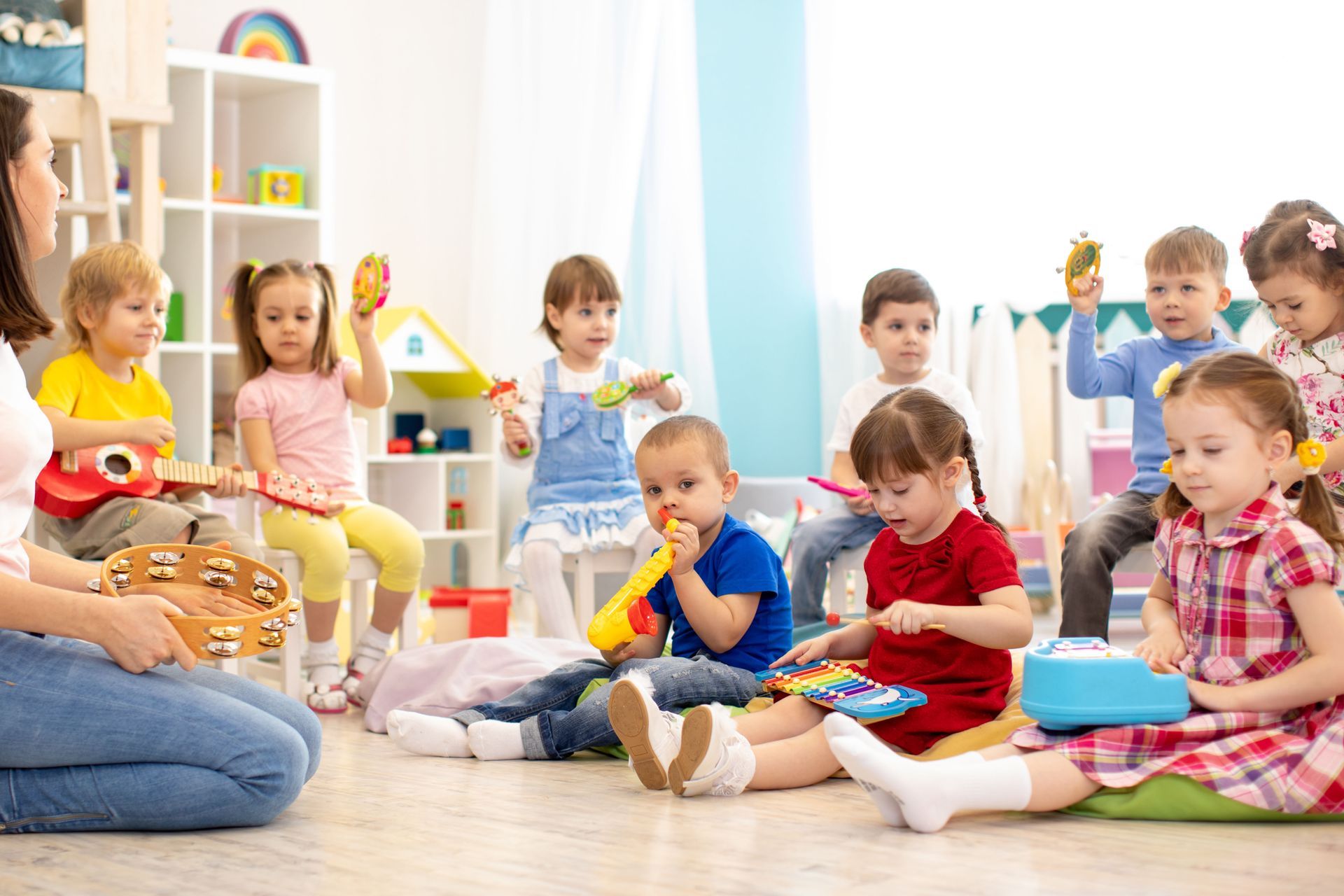
Play is much more than just a fun way for children to pass the time; it is actually the primary work of childhood and the way kids learn about the world. Through play, children explore physical boundaries, test creative ideas, and learn how to cooperate with others. In day care centers, playtime is structured to support both physical development and social skills. Children engage in cooperative games, building projects, and pretend play, which require them to work together to achieve a shared goal. During these activities, children learn the value of teamwork, empathy, and compromise. They begin to understand that other people have different feelings, perspectives, and desires, which is the foundation of empathy. Caregivers guide these play sessions to ensure that every child is included and that interactions remain positive and respectful. This guided play helps children build healthy social habits, such as sharing, helping others, and showing kindness. These positive social experiences help children feel comfortable in group settings, turning what could be stressful peer interactions into rewarding opportunities to build lasting friendships.
Preparing Young Children for Future Classroom Environments
Transitioning to a formal school environment like kindergarten can be a major challenge for children who have never experienced a structured schedule outside the home. The sudden demand to sit still, follow directions, and spend hours away from parents can cause severe anxiety and behavioral issues. Participating in professional day care centers eases this transition by introducing children to a school-like routine in a gentle, supportive way. Children learn to follow a daily schedule that includes designated times for learning, playing, eating, and resting. They also get used to being away from their parents, which helps reduce separation anxiety and builds personal independence. Furthermore, children learn how to follow directions from adult authority figures other than their parents, preparing them to respect and cooperate with future schoolteachers. This early exposure to structure, schedules, and group dynamics ensures that children enter kindergarten feeling confident, prepared, and excited to learn, allowing them to focus on their lessons rather than struggling to adapt to the basic rules of the classroom.
At Learners to Leaders Academy, our team is deeply committed to helping your child build a strong foundation of social skills, emotional strength, and academic readiness. We understand that choosing the right care for your child is an important milestone for your family, and we are dedicated to providing the safe, supportive, and structured environment your child deserves to thrive. We invite you to contact us today to schedule a visit to our facility, and let us help you guide your child on a beautiful journey of learning, discovery, and personal growth that will support their future success.